Updated April 4, 2026 · By Alex Mercer
Car Alarm GPS Tracker Explained (2026)


Car Alarm GPS Tracker Explained (2026)
By Alex Mercer | Updated 2026
Affiliate disclosure: DashPicked earns from qualifying purchases.
The single most important thing to understand: a car alarm GPS tracker and a standalone GPS tracker are different products with different strengths. Most people need a real-time GPS tracker with alert notifications, not a traditional loud alarm. Get clear on whether you want to catch a theft in progress or recover your car after the fact. That choice drives every other decision.
Quick Decision Guide
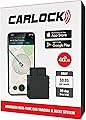
- If you want plug-and-play with zero installation -> look for OBD-II port devices (like the CARLOCK)
- If you want the device hidden and undetectable -> prioritize hardwired or magnetic battery-powered trackers
- If your car is parked for weeks at a time (RV, trailer, seasonal) -> battery life is your #1 spec, target 90+ days
- If you manage a fleet or track a teenager's driving -> prioritize route history and speed alerts
- If budget is tight -> know that the device price is rarely your biggest cost. Monthly subscription fees matter more over 2-3 years
- If you want actual alarm deterrence AND tracking -> you need two separate systems, or a device that does both via app notifications
Factor 1: GPS Connectivity and Network Type
What It Actually Means
A GPS tracker uses two separate technologies simultaneously. GPS satellites pinpoint the location. A cellular network transmits that location to your phone. The cellular network matters enormously. Older 3G networks are being shut down in many countries, which is why "4G LTE" isn't marketing fluff, it's a real differentiator. A tracker on a dead 3G network is just an expensive paperweight. Beyond network generation, look at whether the tracker uses a single carrier or multi-network SIM. Multi-network (sometimes called "global SIM") means the device switches between carriers to maintain signal. In rural areas or underground parking garages, this is the difference between "last seen 8 hours ago" and a live dot on your map.
What Alex Mercer Recommends
Confirm the device is 4G LTE before anything else. Then check the coverage map for the subscription service, not just the device specs. I tested a highly-rated tracker that worked great in the city but became useless the moment I drove to a rural cabin. If you park in a basement garage regularly, ask specifically about multi-network SIM support.
Factor 2: Power Source and Battery Life
What It Actually Means
This is where most buyers get surprised. There are three main power configurations:
OBD-II plug-in: Draws power from your car's OBD port, usually under the dashboard. No battery to charge, works as long as your car is on, or sometimes in standby mode. Extremely easy to install. Also extremely easy to find and remove if a thief knows what they're looking for.
Hardwired: Connected directly to your car's electrical system. Requires some installation effort or a mechanic visit. Harder to find than OBD-II. Can draw a tiny standby current when the car is off, which is how it detects motion and sends alerts.
Battery-powered magnetic: Completely independent of your car. Hide it anywhere metal. The tradeoff is recharging. A device claiming "up to 180 days" battery (like the SALIND) achieves that in low-power sleep mode, not real-time tracking mode. Real-time tracking drains batteries dramatically faster, sometimes 10x faster.
What Alex Mercer Recommends
Battery life claims on the box are almost always best-case numbers. Divide the advertised battery life by 3 when the device is in active tracking mode. If you need discreet placement and don't mind charging every 3-4 weeks, a magnetic tracker is ideal. If you want set-it-and-forget-it, hardwired is your best bet.
Factor 3: Alert Types and Alarm Functionality
What It Actually Means
This is the "alarm" part of "car alarm GPS tracker" and it's often misunderstood. Most GPS trackers don't make noise. They send push notifications to your phone. Whether that counts as an "alarm" depends entirely on your expectations.
The alerts that actually matter:
Motion or vibration detection: Triggers when someone bumps or moves your car. Useful but generates false alerts from trucks driving past or wind in parking lots.
Geo-fence alerts: You draw a virtual boundary on a map. Cross it and you get a notification. I use this constantly. It's how I know if my car moved without me driving it.
Ignition on/off alerts: Simple and reliable. The moment someone starts the engine, you get notified.
Tow detection: Some devices detect when the car is being towed without the engine running. Critical if you park in sketchy areas.
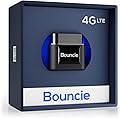
Harsh braking and speeding alerts: More relevant for fleet managers and parents of new drivers than anti-theft. Something like Bouncie leans heavily into this family and fleet use case at $89.99 with a 4.6 rating across 6,000+ reviews.
A traditional audible alarm (siren, honking) requires a different product category entirely. GPS trackers tell you something happened. Audible alarms try to stop it in the moment or attract attention. They serve different purposes.
What Alex Mercer Recommends
For pure theft recovery, geo-fence plus ignition alerts are all you need. For monitoring a teenager or an employee, add speed and harsh driving alerts. If you genuinely want a deterrent with loud noise or flashing lights, buy a traditional alarm system installed separately. Don't expect a GPS tracker to scare anyone off.
Factor 4: Subscription Costs and Total Cost of Ownership
What It Actually Means
This is the factor that almost nobody calculates correctly before buying. The device is a one-time cost. The subscription runs forever.
A $30 device with a $25 monthly subscription costs $330 in the first year. A $90 device with an $8 monthly subscription costs $186 in the first year and keeps getting cheaper relative to the alternatives.
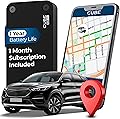
Some devices (like the Cube Pro at $74.95) include a full year of service in the purchase price. That changes the math significantly in year one. The Tracki Pro at $29.88 requires a subscription, so calculate your actual annual cost before comparing prices.
Also check: contract length. Some services lock you in annually. Others are month-to-month. "Cancel anytime" is a real feature worth paying for.
Subscription tiers also affect update frequency. A cheaper plan might update your location every 60 seconds. A premium plan might update every 10 seconds. In a theft scenario, that difference matters a lot.
What Alex Mercer Recommends
Calculate 24-month total cost, not device price alone. Prioritize month-to-month plans if you're unsure about long-term use. Check whether the update frequency changes between subscription tiers before assuming you're getting real-time tracking.
The Features That DON'T Matter
Voice listening: Some trackers advertise built-in microphones so you can "listen in" on your car. In practice this is legally complicated in many states and the audio quality is usually garbage. Skip it completely.
App star ratings on the product page: The app experience changes with every update. A great app today can become annoying in six months. Check the App Store or Google Play reviews separately for recent complaints.
Number of satellites supported: Marketing loves to say "24-satellite GPS system." Modern civilian GPS uses whatever satellites are available and the accuracy differences between devices are negligible for finding a stolen car.
Waterproof ratings above IP65: Unless you're mounting this on a boat, the difference between IP65 and IP67 won't ever matter. IP65 survives heavy rain. That's sufficient for a car.
"Military grade" anything: Not a real specification. Ignore it completely.
My Buying Checklist
Before you buy, confirm these things:
- [ ] The device runs on a 4G LTE network, not 3G
- [ ] You've calculated the 24-month total cost including subscription
- [ ] The subscription is month-to-month or you're comfortable with the contract length
- [ ] Update frequency on your chosen plan is 60 seconds or faster
- [ ] You've decided on power source: OBD-II, hardwired, or battery magnetic
- [ ] The alerts include geo-fence and ignition on/off at minimum
- [ ] You know where you plan to physically install or hide the device
- [ ] The companion app has recent positive reviews on the app store, not just Amazon
- [ ] You understand whether you want deterrence (traditional alarm) or tracking and recovery (GPS tracker)
- [ ] Waterproof rating is at least IP65 if the device will be exposed to weather
Frequently Asked Questions
Do car GPS trackers actually help recover stolen vehicles?
Yes, with caveats. Recovery depends on how quickly you notice, how fast you report it to police, and whether local law enforcement will actually act on GPS coordinates, not all will in real time. The faster your tracker's location update frequency, the more useful it is in that window. Trackers with 10-second updates give police a much tighter target than ones that ping every few minutes.
Can a thief detect and remove a GPS tracker?
A determined thief with a $30 RF scanner can detect some trackers that are constantly transmitting. Devices that go into low-power sleep mode between pings are harder to find. Physical hiding matters too. An OBD-II tracker is one of the first things a car thief checks for. A magnetic tracker hidden inside a bumper is much harder to locate quickly.
Is a GPS tracker a replacement for a car alarm?

No. They do fundamentally different things. A car alarm tries to deter theft in the moment with noise and attention. A GPS tracker records and reports what happened. The best approach if theft is a real concern is both: an audible alarm to discourage casual thieves, and a hidden GPS tracker as a backup for recovery. Most people get one or the other.
What's a geo-fence and do I actually need it?
A geo-fence is a virtual perimeter you draw on a map. When the tracker crosses that boundary, you get an alert. It's the single most useful feature for everyday use. Park at work, draw a geo-fence around the parking lot, and your phone notifies you the moment your car moves. I use mine every day and it's caught two false alarms from parking swaps and one genuine "wait, who moved my car?" moment.
Will a GPS tracker drain my car battery?

OBD-II and hardwired trackers draw a small standby current when the car is off. Most well-designed devices draw under 15 milliamps in standby, which is negligible for a healthy battery over days or weeks. Where this becomes a problem is with older batteries already near the end of their life, or cars parked for extended periods without being driven. Battery-powered magnetic trackers have zero impact on your car battery since they run off their own internal cell.
Written by Alex Mercer. How We Review.
Products Mentioned
Amazon.com: Bouncie GPS Tracker for Vehicles with Real-Time Location, Route History, Speed Monitoring, Geo-Fence & Accident Notifications - for Fleets & Family - Cancel Anytime : Electronics
Buy CARLOCK Anti Theft Car Device - Real Time 4G Car Tracker & Car Alarm System. Comes with Device & Phone App. Tracks Your Car in Real Time & Notifies You Immediately of Suspicious Behavior.OBD Plug&Play: GPS Trackers - Amazon.com ✓ FREE DELIVERY possible on eligible purchases
Buy Cube Pro GPS Tracker for Vehicles with Built-in 1 Year Battery - IP67 Waterproof Real Time GPS Tracker for Cars - iOS & Android Compatible - Hidden Magnetic Tracking Device for Cars, Fleets, Trailers: GPS Trackers - Amazon.com ✓ FREE DELIVERY possible on eligible purchases
Amazon.com: SALIND GPS Tracker – Heavy-Duty Magnetic Car & Truck Tracker, Up to 180-Day Battery, Real-Time Anti-Theft GPS Device with Strong Magnet, IP65 Splashproof & Rugged : Electronics
Amazon.com: Tracki Pro GPS Tracker for Vehicles – Magnetic Waterproof 4G LTE Car Tracker, Long-Life Battery Up to 7 Months, Unlimited Distance, Smart Alerts, Hidden Tracking Device (Subscription Required) : Electronics